2026 Top Solar Power Battery Types for Global Buyers?
Choosing the right solar power battery in 2026 will require more than comparing advertised capacity or the lowest purchase price. Global buyers must examine chemistry, operating temperature, warranty terms, safety controls, cycle life, and local service support. A battery that performs well in a cool European home may behave differently in a hot African workshop or a humid Southeast Asian warehouse.
This guide examines the leading battery types expected to attract international attention. Lithium iron phosphate, or LFP, remains a strong option for residential and commercial storage because of its thermal stability and long cycle potential. Nickel manganese cobalt batteries can offer high energy density, but buyers should review cost, cooling requirements, and supplier transparency carefully. Lead-acid batteries still serve budget-sensitive and backup applications. Emerging sodium-ion systems may deserve attention, although availability, energy density, and long-term field data remain limited.
Real purchasing decisions are rarely perfect. A larger battery is not always better. Oversizing can increase upfront cost while leaving capacity unused. Temperature, daily energy demand, inverter compatibility, installation quality, and replacement access may matter more than a brochure specification. We will compare these technologies through practical buyer questions, including performance, maintenance, safety, environmental considerations, and total ownership cost. Some 2026 forecasts will change. That is worth remembering. Reliable decisions should combine manufacturer data, independent testing, installer experience, and realistic site measurements rather than marketing promises.
Solar Power Batteries: Definition, Role, and Main Applications
2026 Top Solar Power Battery Types for Global Buyers?
Solar power batteries store electricity produced by photovoltaic panels for later use. They reduce dependence on the grid during evenings, outages, or cloudy periods. A battery system usually includes cells, a battery management system, an inverter, protection devices, and monitoring software. Each part affects safety, usable capacity, and service life.
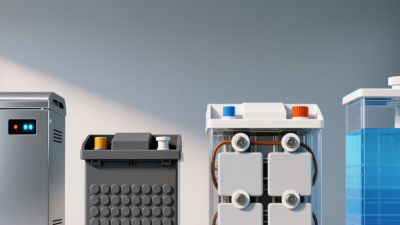
Lithium iron phosphate batteries suit many homes, farms, and small commercial sites. They offer strong cycle performance, stable chemistry, and useful depth of discharge. Lead-acid batteries remain relevant where purchase cost matters more than space or maintenance. Flow batteries can support larger installations requiring long-duration storage and frequent cycling. However, their footprint and project complexity may challenge smaller buyers. Real-world performance depends on temperature, charging limits, installation quality, and daily energy demand.
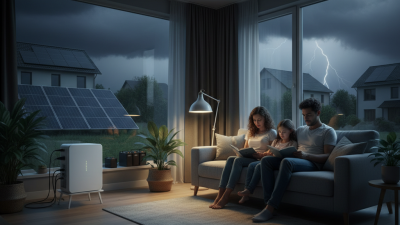
The main applications are self-consumption, backup power, peak-load management, and remote electrification. In a rural clinic, stored energy can keep refrigeration and medical equipment operating after sunset. At a factory, batteries can reduce short periods of expensive grid demand. For an apartment, usable capacity matters more than the advertised total capacity. Buyers should check round-trip efficiency, warranty conditions, replacement access, safety certifications, and local installer skills. Cold climates may require heating control, while hot regions need ventilation and thermal protection. A larger battery is not automatically better. Oversizing can leave capacity unused, although demand forecasts are often imperfect. That uncertainty deserves attention.
How Solar Battery Technologies Work and Store Renewable Energy
Solar batteries store surplus electricity as chemical energy, then release it when sunlight fades. Lithium-ion systems dominate because they offer high efficiency, compact cabinets, and fast response. Within this group, lithium iron phosphate chemistry usually prioritizes thermal stability and longer cycle life. Nickel-based chemistry can provide higher energy density, but it needs stricter temperature control. The International Energy Agency reported nearly 42 GW of new battery storage capacity in 2023, showing how quickly flexible storage is expanding.
Lead-acid batteries remain practical for small, budget-sensitive systems, although their lower usable depth and shorter cycle life can raise lifetime costs. Flow batteries separate energy capacity from power capacity, making them suitable for long-duration storage. Sodium-ion designs may reduce dependence on scarce materials, but their commercial track record is still developing. BloombergNEF reported that average lithium-ion pack prices fell to 115 dollars per kWh in 2024. That figure is useful, but installed cost includes inverters, protection, labor, and grid connection. A neat spreadsheet can mislead.
Tips: Match battery size to evening demand, not just panel capacity. Check usable capacity, round-trip efficiency, warranty conditions, and operating temperature. The U.S. National Renewable Energy Laboratory notes that storage value depends heavily on duty cycle and local electricity prices. In project reviews, I would also test cloudy-week performance. Perfect solar forecasts do not exist. A slightly oversized system may reduce stress, but oversizing can waste capital.
Cite: IEA, Batteries and Secure Energy Transitions (2024); BloombergNEF, Battery Price Survey (2024); NREL, Energy Storage Cost and Performance Reports.
Comparing Lithium-Ion, Lead-Acid, Sodium-Ion, and Flow Batteries
2026 Top Solar Power Battery Types for Global Buyers?
Comparing Lithium-Ion, Lead-Acid, Sodium-Ion, and Flow Batteries
Choosing a solar battery depends on climate, cycling needs, space, and maintenance capacity. Lithium-ion batteries usually offer high efficiency, compact cabinets, and strong daily cycling. They suit homes and commercial sites with limited floor space. However, buyers should verify thermal controls, warranty conditions, and local service support. A lower purchase price is not always a lower lifetime cost.
Lead-acid remains practical for backup systems with modest cycling. It is familiar, widely serviceable, and often easier to source in developing markets. Yet it needs ventilation, occupies more space, and loses capacity faster under frequent deep discharge. Sodium-ion technology is attracting interest because it can reduce dependence on scarce materials and perform reliably in colder conditions. Its long-term field data and supply chains are still developing. That uncertainty matters. Flow batteries can support large, long-duration storage, especially where land and regular maintenance are available. Their tanks, pumps, and installation requirements may not suit a small household.
Tips: Compare usable energy, not only rated capacity. Ask for round-trip efficiency at your expected load. Check performance at local temperatures, replacement parts, recycling routes, and installer qualifications. A five-hour backup may need a different design from daily evening use. I would also request real operating data, because laboratory figures can feel cleaner than outdoor reality.
Key Buying Criteria for Global Solar Battery Purchasers in 2026
2026 Top Solar Power Battery Types for Global Buyers?
Key Buying Criteria for Global Solar Battery Purchasers in 2026
Global buyers in 2026 should choose battery chemistry after studying daily loads, climate, and installation conditions. Lithium iron phosphate batteries suit many homes because they offer strong thermal stability and long service life. Nickel manganese cobalt batteries can provide high energy density, but buyers should examine cooling needs and safety controls carefully. Sodium-ion systems are gaining interest for lower-temperature regions, although product maturity and local support still vary.
Start with usable capacity, not the advertised capacity. A household using 8 kWh each evening may need more than a 10 kWh unit after reserve limits and conversion losses. Check round-trip efficiency, peak output, response speed, and expandability. A battery that cannot start a pump or compressor may look affordable but perform poorly in practice. Depth of discharge also affects long-term value.
Climate deserves equal attention. Outdoor systems may face dust, humidity, salt air, or temperatures above 45°C. Review the enclosure rating, operating range, ventilation design, and battery management system. Ask for independently verified safety testing and certifications accepted in the target market. Warranty terms should state cycle limits, retained capacity, service response, and replacement procedures. Local technical support matters more than attractive online specifications. I have seen buyers focus heavily on price, then underestimate installation quality. That mistake remains common. Pay attention to the installer’s training, grid rules, and fire-safety requirements. A cheaper system is not always a lower-cost system.
Choosing the Best Solar Battery Type for Different Energy Needs
Choosing a solar battery starts with household energy use, not the advertised capacity. Lithium iron phosphate batteries suit daily cycling, outdoor cabinets, and homes needing stable performance. They generally provide strong cycle life and useful depth of discharge. Their chemistry is less prone to thermal runaway than some lithium alternatives, but protection systems remain essential.
For compact installations, nickel-manganese-cobalt batteries can deliver high energy density where space is limited. However, they require careful thermal management and certified battery controls. Lead-acid batteries may fit a modest backup budget, especially in ventilated utility rooms. They are heavier, discharge less deeply, and usually need earlier replacement. Sodium-ion systems are emerging for cooler climates and cost-sensitive projects, but local availability and long-term service data deserve scrutiny. Practical fit matters.
Match the battery to real usage. A refrigerator, router, and lights need different storage than a heat pump or electric vehicle. Measure evening consumption for several days, then size storage around the desired backup hours. Do not ignore winter solar production, temperature, inverter compatibility, or fire separation. Ask the installer for cycle-life test conditions, warranty limits, protection certifications, and recycling arrangements. No choice is perfect. I would rather specify a slightly smaller, well-monitored battery than oversize an unverified system. That judgment may change when tariffs, climate, or household demand changes.
Lithium iron phosphate (LFP) and nickel-manganese-cobalt (NMC) batteries typically provide the highest round-trip efficiency for residential and commercial solar storage. Lead-acid systems generally have lower efficiency, while vanadium redox flow batteries can offer long service life and deep cycling. The figures are representative chemistry-level values; actual performance depends on system design, temperature, operating conditions, and battery management.