Best Solar Panels for Your Home in 2026 Choices?
As the world increasingly embraces renewable energy, selecting the best solar panels for your home has become vital. In 2026, advancements in technology and variety make it crucial to understand what suits your needs. The market offers several options, each with unique features and benefits.
Homeowners are often overwhelmed by choices. Some panels excel in efficiency, while others focus on affordability. This diversity can lead to confusion. Evaluating your energy consumption and budget is essential. Not all solar panels for your home will fit every situation.
Learning from others’ experiences and expert opinions can guide you in making an informed decision. Gathering insights into reliability and performance will aid in your selection process. Ultimately, the goal is to find the right solar panels for your home that meet both your energy needs and financial expectations.
Top Factors to Consider When Choosing Solar Panels for Your Home
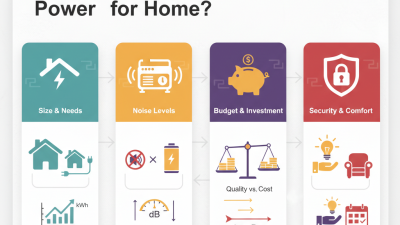
When selecting solar panels for your home, several critical factors come into play.
Efficiency is paramount. According to the National Renewable Energy Laboratory (NREL), the average solar panel efficiency ranges between 15% and 20%. Higher efficiency panels convert more sunlight into electricity, which is essential for maximizing energy production. Choosing panels with at least 20% efficiency can significantly reduce your energy costs.
The durability of solar panels is another crucial aspect to consider. Most panels come with a warranty of 25 years. However, some manufacturers offer longer warranties, indicating superior reliability. Be cautious; not all panels perform well in various weather conditions. Research shows that temperature coefficient ratings can indicate how well panels perform in heat. A lower temperature coefficient means better performance on hot days.
Lastly, installation costs and local incentives should not be overlooked. The Solar Energy Industries Association (SEIA) reports that installation costs can vary widely, with averages around $3 per watt in the U.S. Incentives like state tax credits can help align your budget. Researching local programs will ensure you don’t miss potential savings. Balancing these factors is not straightforward, as homeowners often juggle initial costs against long-term savings.
Comparison of Leading Solar Panel Brands and Technologies in 2026
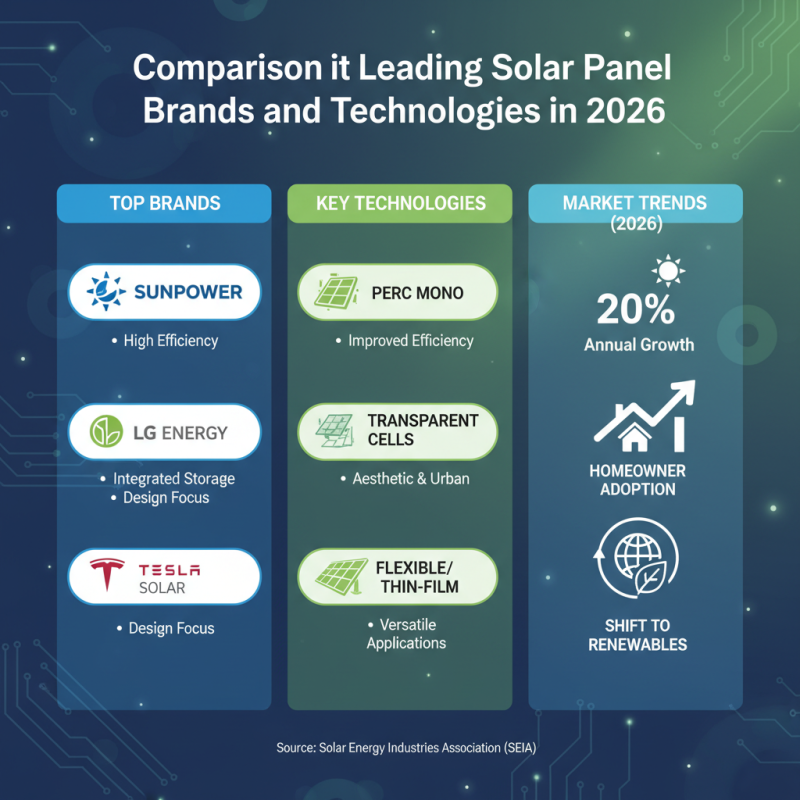
In 2026, the solar panel market is rapidly evolving. Innovations in technology have led to varied offerings that cater to diverse homeowner needs. According to the Solar Energy Industries Association, solar installations have grown by over 20% annually, highlighting a shift towards renewable energy solutions.
When comparing solar panel brands, efficiency and cost are primary factors. Monocrystalline panels remain popular due to their high efficiency rates, often exceeding 20%. However, polycrystalline panels offer a more budget-friendly option, though with slightly lower efficiency. Industry reports indicate that bifacial panels are gaining traction, capturing sunlight from both sides, which can enhance energy output by up to 30%.
Despite advancements, challenges persist. Some homeowners face installation hurdles, with roof orientations and shading issues impacting overall performance. Additionally, solar panel recycling remains a significant concern. As technology progresses, addressing these factors becomes crucial for maximizing solar energy benefits. Balancing efficiency, cost, and installation feasibility is key to making informed decisions in 2026.
Evaluating the Efficiency and Longevity of Solar Panels Available Today
When considering the efficiency and longevity of solar panels, several factors come into play. Efficiency refers to how well a panel converts sunlight into electricity. Most residential panels today boast efficiency rates between 15% to 22%. A higher efficiency means more energy production and better performance, especially in limited rooftop space.
Longevity is equally critical. The best panels typically come with warranties ranging from 25 to 30 years. This warranty often indicates their expected lifespan. However, not all panels are created equal. Environmental factors, such as extreme weather, can affect durability over time. Regular maintenance and the right installation also play roles in a panel's long-term performance.
Consumers should remain cautious. Some panels may not perform as advertised after a few years. Researching the panel's degradation rate is necessary; this rate tells how much efficiency you can expect to lose over time. Ask questions, seek expert opinions, and understand the implications of your choice.
Cost Analysis: Investment vs. Savings of Solar Panels in 2026
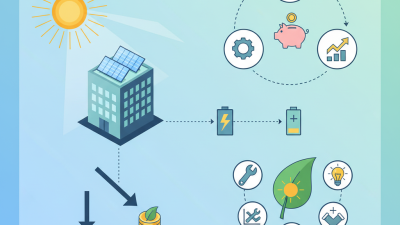
In 2026, investing in solar panels for your home can lead to substantial savings. According to the National Renewable Energy Laboratory, homeowners can reduce their electricity bills by up to 70% after installation. The average cost of solar panel installation in the U.S. is around $15,000. However, federal tax credits might cover up to 30%, making an initial investment more manageable.
Yet, it’s essential to consider the long-term benefits. Studies indicate that solar panels increase property value by an average of 4.1%, a crucial factor when assessing the investment. Despite the initial costs, the return on investment typically ranges from 10% to 20% annually. Regular maintenance is also a point to reflect on. Neglecting maintenance can lead to a decline in performance, affecting savings. Many homeowners underestimate ongoing costs tied to inverter replacements and cleaning.
Lastly, the payback period for solar panels is significant. Depending on local energy prices, it can take anywhere from 6 to 10 years to recoup the investment. However, fluctuations in energy prices can alter these projections. Homeowners should evaluate their specific situations, weighing the pros against potential drawbacks. An informed choice will ensure that the investment pays off in the long run.
Cost Analysis: Investment vs. Savings of Solar Panels in 2026
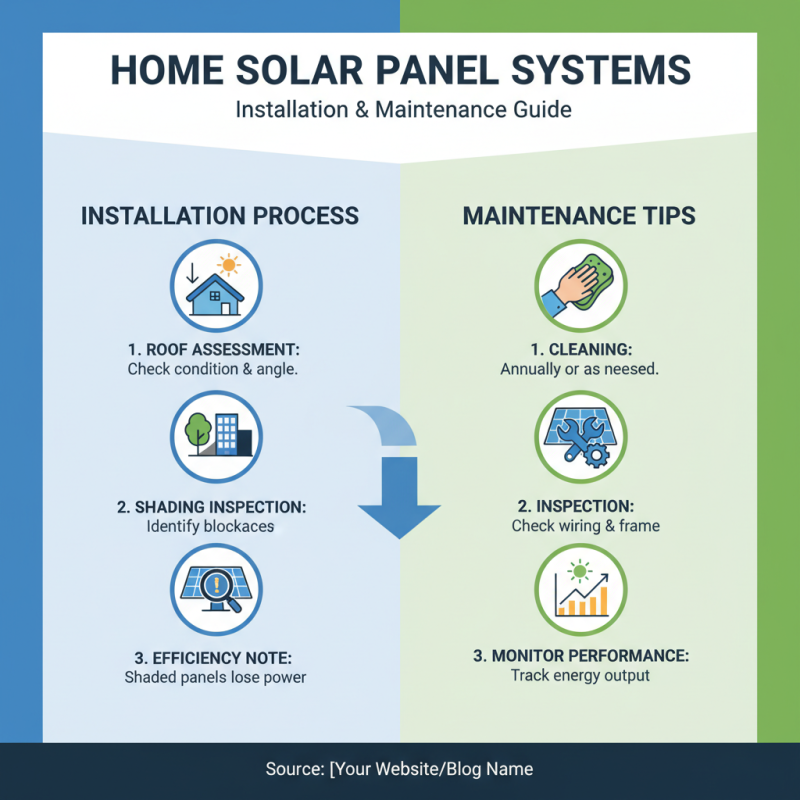
Installation Process and Maintenance Tips for Home Solar Panel Systems
Installing solar panels at home requires careful planning. You need to assess your roof's condition and angle. Inspect for any potential shading from trees or buildings. This step is crucial. A shaded panel can reduce efficiency.
The installation process involves multiple steps. First, securing necessary permits is essential. Then, you’ll need to hire a qualified installer. Proper installation directly affects energy output. Make sure you discuss installation details, as each property is unique.
Maintaining solar panels is often overlooked. Regular cleaning can enhance performance. Dust, leaves, or snow can accumulate and block sunlight. Consider scheduling periodic inspections. Look for signs of wear or damage. Addressing small issues can prevent larger problems down the line.