Why Choose a Home Energy Storage Battery for Your Business?
Electricity costs can change before a small business finishes its morning coffee. A home energy storage battery can provide a practical buffer. It stores solar power or lower-cost grid electricity, then supplies equipment during expensive periods or short outages.
The International Energy Agency reported that global battery storage additions nearly doubled in 2023, reaching about 42 gigawatts. Its Batteries and Secure Energy Transitions report also noted that battery demand reached approximately 750 gigawatt-hours worldwide. These figures describe a broader market, not a guaranteed saving for every shop or office. That distinction matters.
Energy storage is becoming more accessible.
Industry expert Jason Burwen has described storage as “the Swiss Army knife of the energy transition.” His comparison is useful because one system can support several business needs. It may reduce peak demand, improve solar self-consumption, and keep essential devices operating. A bakery might protect refrigeration overnight. A home office could maintain internet equipment during a brief interruption. A small clinic may gain valuable continuity, subject to local safety requirements.
However, battery ownership is not automatically economical. Installation costs, tariff structures, available solar generation, battery lifespan, and maintenance all affect the result. The U.S. Energy Information Administration and the IEA both emphasize that distributed energy resources depend heavily on local markets and grid conditions. A spreadsheet can look attractive until replacement costs appear.
This guide examines those trade-offs carefully. It considers performance, safety, return on investment, and responsible sizing. The best choice is not always the largest battery. Sometimes, better monitoring delivers more value.
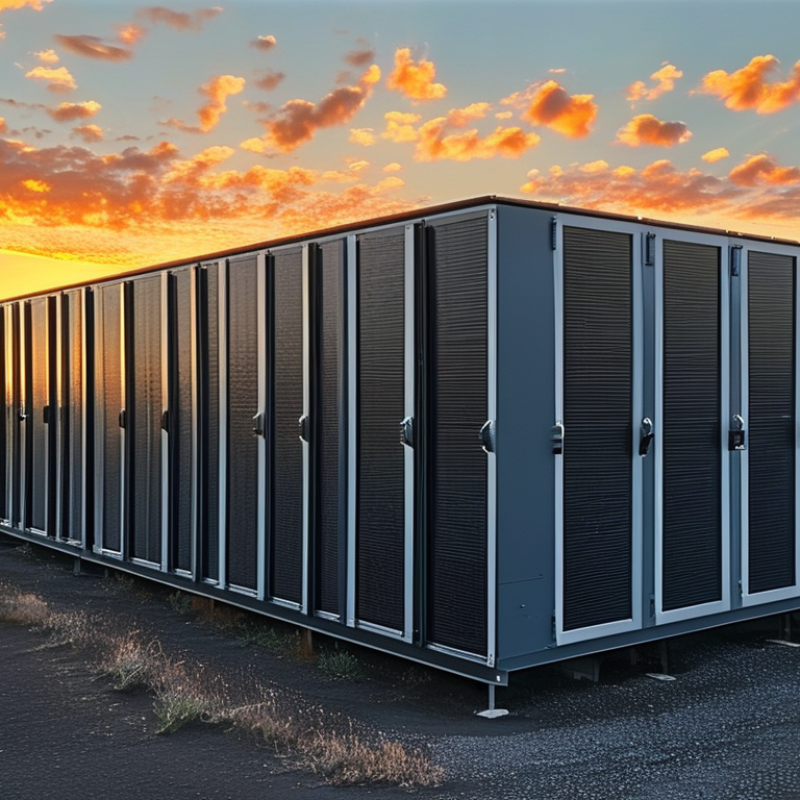
A home energy storage battery for business is a compact system that stores electricity for a small workplace. It usually combines rechargeable battery cells, an inverter, monitoring software, and safety controls. The battery charges from the grid or on-site solar panels. It then supplies power when electricity prices rise or outages occur. A home-based office, studio, shop, or small workshop may use this arrangement.
In practice, the battery can keep routers, computers, lights, payment terminals, or refrigeration running. A typical setup may sit in a utility room or sheltered outdoor area. Its capacity should match daily energy use, peak loads, and the required backup time.
A qualified installer should check ventilation, fire protection, wiring, and local electrical requirements. Cutting corners here creates unnecessary risk.
It is not a universal replacement for commercial power equipment. A growing workshop may quickly exceed its output limit. Sizing is easy to underestimate. That assumption can fail.
Reviewing several months of electricity bills and measuring demanding equipment gives better evidence. I would also consider battery temperature, expected service life, maintenance access, and warranty terms. The best system is practical, documented, and suited to the building’s real operating pattern.

A business energy storage battery stores electricity as chemical energy inside battery cells. It usually charges from the grid or on-site solar panels. During charging, an inverter changes alternating current into direct current. The battery management system monitors voltage, temperature, and charge levels. It also helps prevent unsafe operating conditions.
When demand rises, the inverter changes stored direct current back into usable alternating current. The system can then power lighting, refrigeration, computers, or production equipment. An energy management system decides when to charge and discharge. For example, it may charge at night when electricity costs less. At noon, it can reduce grid consumption during expensive peak periods. During an outage, compatible equipment may continue operating, but not every circuit will remain active.
Tips: Check battery capacity, power output, warranty terms, and installation requirements. Ask for measured efficiency, not only advertised efficiency. Leave room for future demand.
In practical projects, correct sizing matters more than simply choosing a larger battery. A small store may need steady power for several hours, while a workshop may need high output for short machine starts. Batteries also lose capacity over time.
I have seen plans fail because they ignored ventilation, cable distance, or local electrical limits. A professional assessment should review load records, backup priorities, solar production, and expected expansion. The system may not eliminate every energy bill, but it can make consumption more predictable. That difference can be valuable.
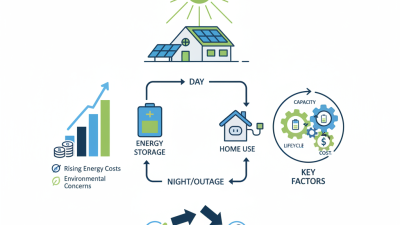
A workplace battery does more than store surplus electricity. It changes how a business manages expensive, time-sensitive demand. During a midday solar surplus, the system can charge instead of exporting power at a low rate. Later, it can support lighting, refrigeration, servers, or machinery during peak periods. That shift may reduce demand charges, depending on local tariffs and the site's load profile. The benefit is practical: fewer sharp energy spikes on the monthly bill.
Battery storage also adds operational resilience. When the grid fails, a properly designed system can keep selected circuits running. Think checkout terminals, network equipment, alarms, and cold storage. Not everything needs backup. Critical loads should be mapped before installation. Electrical engineers should verify capacity, protection, ventilation, and fire-safety requirements. Commissioning records and regular inspections make the system easier to trust, especially in a busy workplace.
Real sites are rarely predictable. Storage is not automatic. A battery sized only from an annual utility bill may perform poorly during seasonal production changes. Monitoring software helps, but it cannot fix weak assumptions. I have found that staff schedules, weekend shutdowns, and motor starting currents often matter more than expected. Batteries also lose capacity with age. That reality deserves a budget, not a footnote. A careful energy audit, transparent payback model, and maintenance plan give businesses a stronger basis for using storage at work.
Key benefits of using battery storage at work include peak-demand reduction, load shifting, and improved use of onsite renewable energy.
This representative commercial load profile shows how a battery can charge during lower-demand periods and discharge during busy operating hours. Lower peak demand can help businesses reduce demand-related electricity costs, while stored energy can provide greater flexibility during grid price changes or short power interruptions. Actual results depend on battery size, operating schedules, tariff structure, and local grid conditions.
Choosing a home energy storage battery for a business requires more than checking its advertised capacity. Start with your actual electricity profile. Review peak demand, evening consumption, outage frequency, and solar production across several months. A battery that looks large may provide little usable energy after reserve limits and conversion losses.
Check usable capacity, round-trip efficiency, depth of discharge, cycle life, and charging speed. These figures affect daily savings and backup performance. Safety is equally important. Confirm recognized testing, suitable installation conditions, ventilation requirements, and professional commissioning. Ask how the system performs in heat, cold, and humid environments. Warranty terms also need careful reading. Some warranties depend on annual throughput, operating temperature, or approved maintenance. A spreadsheet helps, but it can still mislead.
Tips:
Match the battery to your critical loads, not your entire building. List refrigerators, servers, pumps, and security equipment separately. Compare the battery’s continuous output with their starting demands. Leave room for future expansion if your business may add solar panels or electric equipment. Do not ignore software access, remote monitoring, service response times, or replacement costs. I would also test the backup plan before an outage occurs. Real results may differ from estimates, especially when usage changes seasonally. That uncertainty deserves an honest margin.
Selecting a home energy storage battery for a business begins with the load, not the advertised capacity.
Review twelve months of electricity bills, interval data, and outage records. Note the evening peak, critical equipment, and required backup hours. A small office may need five kilowatts, while refrigeration demands stronger surge performance. Capacity alone can mislead.
Compare usable kilowatt-hours, continuous output, surge capability, round-trip efficiency, and expected cycle life.
Usable energy matters more than the nominal figure on a specification sheet. Ask how performance changes in heat, cold, and partial charging. Safety certification, thermal protection, ventilation, and qualified installation deserve equal attention. Check warranty terms carefully, including retained capacity, service response, and exclusions. Cheaper equipment may cost more when downtime interrupts sales.
Match the battery to your operating schedule and electricity tariff.
If solar generation peaks at noon, storage can shift that energy into the evening. For backup, reserve capacity for payment systems, networking equipment, security, or other essential loads. Separate those circuits before installation. Monitoring should show charge level, energy flows, alerts, and unusual temperature readings. No forecast is perfect. Demand charges, weather, and battery degradation can change the results. Use conservative assumptions and review them annually.