
What Are the Top Types of Liquid Rust Remover?

Rust is more than a brown surface stain. It signals an electrochemical reaction that can weaken steel, damage tools, and increase maintenance costs. The NACE IMPACT study estimated that corrosion costs the global economy about US$2.5 trillion annually, equal to roughly 3.4% of global gross domestic product. This figure explains why selecting an effective Liquid Rust Remover matters in workshops, factories, construction sites, and household repairs.

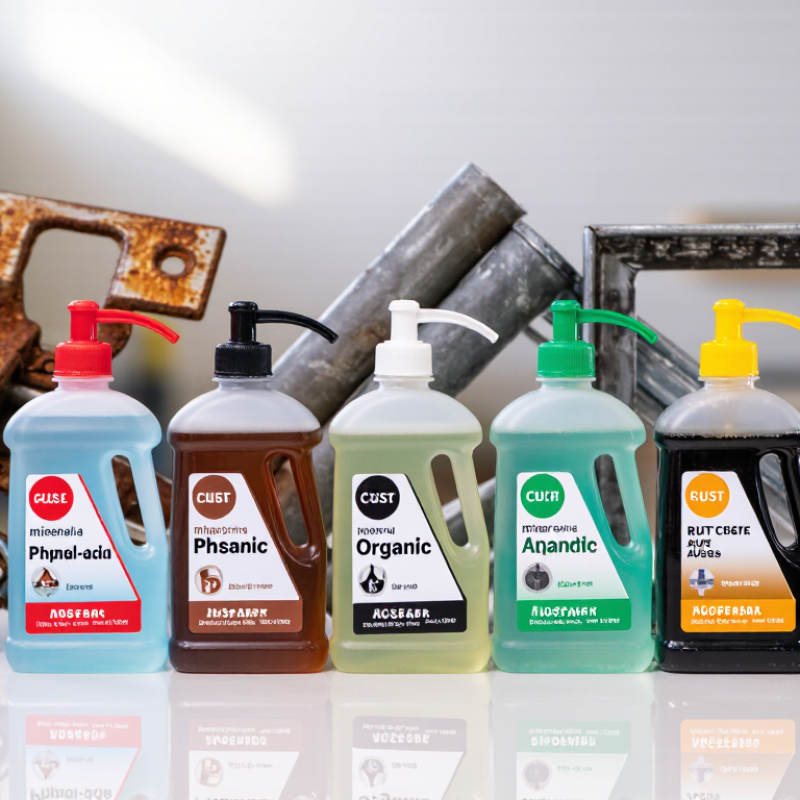
The main product families include mineral-acid removers, phosphoric-acid formulas, organic-acid solutions, chelating agents, and rust converters. Each type behaves differently on a rusty hinge, a pitted machine part, or a painted metal frame. Acid-based products usually work quickly, but they may etch clean steel or irritate skin. Chelating formulas often act more selectively and can be easier to control, although they may require longer soaking times. Phosphoric-acid products can convert remaining oxidation into a darker, paintable surface, but they are not always complete rust removers. The U.S. Environmental Protection Agency’s Safer Choice program emphasizes ingredient safety and responsible product selection, while ASTM International standards support consistent testing practices for corrosion-related materials. Still, labels can mislead. A fast reaction does not always mean better protection. Real performance depends on rust thickness, metal type, temperature, dwell time, rinsing, and post-treatment. This guide compares the top types of Liquid Rust Remover through practical performance, chemical function, handling requirements, and suitability for specific applications. Results may vary. Careful testing remains essential.
What Are the Top Types of Liquid Rust Remover?

Understanding Liquid Rust Removers and Their Main Functions

What Are the Top Types of Liquid Rust Remover?

Understanding Liquid Rust Removers and Their Main Functions

Liquid rust removers are not one universal chemical solution. Their performance depends on rust thickness, metal type, and the required finish. The AMPP IMPACT study estimated that corrosion costs about 3.4% of global gross domestic product, or nearly $2.5 trillion annually. That figure explains why correct rust treatment matters in workshops, maintenance facilities, and industrial equipment.

Acid-based removers usually work quickly. They dissolve iron oxides from steel surfaces, especially when rust is thick and flaky. Phosphoric-acid formulas may also create an iron phosphate layer, improving short-term paint adhesion. However, this is closer to rust conversion than complete removal. The difference is easy to miss.

Chelating removers bind rust without aggressively attacking sound metal. They suit small parts, tools, and detailed surfaces requiring controlled treatment. Neutral-pH liquids are generally easier to handle and may reduce surface damage, but they often need longer dwell times. Patience matters here.

A practical test starts with a hidden area. Apply a small amount, observe discoloration, and check whether the metal feels rough afterward. Always follow the product’s stated dilution and contact time. Rinse thoroughly, dry immediately, and apply temporary protection. Residual moisture can restart corrosion within hours.

No type is perfect. Acid formulas can be fast but unforgiving, while gentler chelators may seem too slow for urgent repairs. Selecting the liquid should balance removal speed, substrate safety, worker exposure, and the next surface treatment.

What Are the Top Types of Liquid Rust Remover?

Acid-based liquid rust removers dissolve iron oxides quickly, while chelating removers bind rust without relying on strong acidity. The chart compares representative pH values for common rust-remover types; actual pH can vary by concentration and formulation. Lower pH indicates higher acidity, whereas near-neutral chelating solutions are generally less aggressive toward many base metals.

Comparing Acid-Based, Chelating, and Neutral Rust Removers

What Are the Top Types of Liquid Rust Remover?

Liquid rust removers generally fall into three groups: acid-based, chelating, and neutral formulas. Each works differently. Choosing one depends on the metal, rust thickness, surface finish, and working conditions.

Acid-based removers usually act fastest. They dissolve rust through chemical reactions, making them useful for heavy corrosion on steel tools, bolts, and construction parts. However, strong acids may also attack bare metal, coatings, or nearby materials. They require suitable gloves, eye protection, ventilation, and thorough rinsing. A small test area is essential. Fast does not always mean better.

Chelating removers bind with iron oxides and lift rust without aggressively dissolving sound metal. They often suit delicate components, painted surfaces, and restoration work. Their action can be slower, especially when rust is thick or layered. Warm temperatures and longer contact time may improve results. Yet, performance varies between formulas, so product instructions remain important.

Neutral rust removers are generally milder and easier to handle. They can work well on light surface rust, household hardware, and parts near sensitive finishes. Their slower action may require brushing, soaking, or repeated applications. That extra effort is easy to underestimate. In practical maintenance, surface preparation often matters as much as chemistry. Remove oil first, monitor the contact time, and dry the metal completely afterward. Even a carefully selected remover can fail when moisture returns.

Matching Each Rust Remover Type to Specific Materials

What Are the Top Types of Liquid Rust Remover?

Matching a liquid rust remover to the material prevents avoidable damage. Acid-based removers work quickly on carbon steel, cast iron, and unpainted tools. They dissolve rust aggressively. However, they may darken metal or leave a rough surface if left too long. I usually check the part every few minutes, not only at the recommended time.

Chelating removers are gentler options for steel components, antiques, and detailed hardware. They target iron oxide more selectively and usually preserve the original metal better. This matters when a file, hinge, or machine part has a valuable surface. The process takes longer. Patience is part of the treatment.

Phosphoric-acid formulas can convert remaining rust on steel and prepare surfaces for paint. They suit structural parts, brackets, and outdoor equipment after thorough rinsing. Use caution with aluminum, zinc, polished stone, and delicate plating. These materials can stain, dull, or corrode. Citric-acid solutions are milder and often useful for small steel items, fasteners, and kitchen tools, but they may struggle with thick scale. Never assume “mild” means harmless. I once trusted a gentle solution on a plated fitting and left it looking uneven. A hidden patch test would have prevented that mistake. Keep the liquid away from painted areas unless the surface instructions specifically allow contact. Wear suitable gloves and eye protection, provide ventilation, and neutralize or rinse residues according to the product guidance.

What Are the Top Types of Liquid Rust Remover? Matching Each Rust Remover Type to Specific Materials

Liquid Rust Remover Type Primary Active Chemistry Best-Matched Materials Typical Rust Condition Key Advantages Material Compatibility Concerns Recommended Use Profile
Phosphoric Acid-Based Phosphoric acid, commonly supplied as a diluted aqueous solution Carbon steel, mild steel, iron tools, and painted steel after spot testing Light to moderate surface rust and thin oxide layers Converts residual iron oxides into a more stable phosphate layer; can also improve surface preparation before painting May etch aluminum, zinc, galvanized coatings, marble, and other acid-sensitive surfaces Good general-purpose choice for steel parts that will be cleaned, primed, or painted
Oxalic Acid-Based Oxalic acid dissolved in water Iron and steel components, stainless steel stains, and rust marks on some hard nonporous surfaces Stubborn rust stains, localized oxidation, and discoloration Effective on difficult iron stains and often works well with controlled dwell time Can dull or etch certain stone, cementitious, plated, or sensitive metal surfaces; requires thorough rinsing Useful for targeted stain removal where precise application is possible
Citric Acid-Based Citric acid in an aqueous solution Iron and steel parts, stainless steel, and small removable hardware Light to moderate rust and general oxide buildup Biodegradable organic acid option with relatively low odor; suitable for soaking small components Long exposure may discolor or etch some metals; rinse and dry promptly to limit flash rust Appropriate for maintenance cleaning, workshop parts, and applications where a milder acid is preferred
Hydrochloric Acid-Based Hydrochloric acid, usually diluted for cleaning applications Uncoated iron and carbon steel in controlled industrial cleaning operations Heavy rust, scale, and thick oxide deposits Fast and aggressive action on mineral scale and iron oxides Not suitable for stainless steel, aluminum, zinc, galvanized metal, copper, or most finished surfaces; can cause rapid corrosion and hydrogen-related risks Only for trained users with suitable ventilation, protective equipment, controlled concentration, and corrosion inhibitors where required
Sulfuric Acid-Based Sulfuric acid in a diluted or formulated aqueous system Selected ferrous-metal cleaning processes under industrial controls Severe scale and oxidation requiring strong acid treatment Powerful descaling capability and rapid reaction when correctly formulated Highly corrosive; can attack many metals, damage coatings, generate heat during dilution, and create serious chemical-handling hazards Generally limited to specialized industrial processes rather than routine household or workshop use
Chelating-Agent-Based Water-soluble chelators such as gluconate, citrate, or aminopolycarboxylate compounds Steel, iron, and many plated parts when the formulation is verified as compatible Light to moderate rust, including parts that need controlled cleaning Can selectively bind iron ions with less aggressive mineral-acid action; often produces minimal fumes Performance depends strongly on pH, temperature, concentration, and contact time; some formulations may affect copper alloys or coatings Good for controlled immersion cleaning and applications where substrate preservation is important
Tannic Acid-Based Tannic acid or other tannin compounds in water-based formulations Ferrous steel and iron surfaces where a dark conversion layer is acceptable Light surface rust and residual oxidation after loose rust is removed Reacts with iron oxides to form darker iron-tannate compounds and can support temporary corrosion control Does not replace mechanical removal of heavy rust; the treated surface may become dark and should be protected with a suitable coating Suitable for restoration work and preparation of lightly rusted steel before coating
Phosphoric-Citric Acid Blend A combination of phosphoric acid and citric acid in water Carbon steel, iron tools, and selected stainless-steel surfaces after compatibility testing Light to moderate rust where both cleaning and surface conditioning are desired Combines organic-acid cleaning with the phosphate-conversion effect of phosphoric acid May attack aluminum, zinc, galvanized coatings, polished stone, and decorative finishes Practical for workshop maintenance when a balanced cleaning and preparation effect is needed

Always check the product’s safety data sheet and perform a small compatibility test first. Remove loose rust, follow the stated contact time, rinse thoroughly when required, dry the surface promptly, and apply protective treatment to help prevent flash rust.

Evaluating Safety, Effectiveness, and Environmental Impact

What Are the Top Types of Liquid Rust Remover?

Evaluating Safety, Effectiveness, and Environmental Impact

Liquid rust removers generally use acids, chelating agents, or water-based abrasive additives. Acidic formulas often work quickly on thick rust. Phosphoric acid can convert surface rust into a darker, stable coating. Stronger acids may remove corrosion faster, but they can irritate skin and damage nearby metal. Protective gloves and eye protection remain essential. Always follow the product’s safety instructions.

Chelating removers usually act more slowly. They bind with iron oxides without aggressively attacking sound steel. This makes them useful for tools, fasteners, and detailed parts. Their lower odor can improve indoor handling, although “mild” does not mean harmless. Some formulas still require ventilation and careful disposal. Test a small hidden area first. Results vary.

Environmental Impact Environmental impact deserves equal attention. A biodegradable ingredient may still pollute water if poured into a drain. Rinsing waste can carry dissolved metals into soil and waterways. Collecting used liquid and following local disposal guidance is safer. I once underestimated how quickly residue could spread across a workbench; that mistake changed my cleaning routine.

Effectiveness is also difficult to judge by speed alone. A slower chelating solution may preserve markings better than a harsh acid. Yet it can consume more time and electricity during soaking.

The best choice depends on rust thickness, metal type, workspace ventilation, and disposal facilities. Convenience should not decide everything.

Choosing and Applying the Right Liquid Rust Remover

What Are the Top Types of Liquid Rust Remover?

Choosing the right liquid rust remover starts with identifying the metal and rust depth. Acid-based formulas work quickly on heavy scale, but they may dull steel or attack nearby coatings. Chelating formulas act more slowly and usually offer better control on tools, fasteners, and delicate surfaces. Rust converters create a darker protective layer, but they do not remove every corrosion product. The NACE IMPACT study estimated global corrosion costs at 2.5 trillion US dollars annually, equal to about 3.4% of global GDP. Careful treatment can reduce avoidable material loss.

Application conditions matter as much as chemistry. Remove loose flakes with a nylon brush, then test the liquid on a hidden area. Apply a thin, even coat instead of flooding the surface. A small brush works well around bolt threads and welded corners. Follow the stated contact time, because longer exposure is not automatically better. ASTM G1 guidance supports cleaning and evaluating corrosion consistently, especially when surface condition affects inspection results.

Rinse thoroughly when the instructions require it. Dry the metal immediately, then add a compatible protective coating. Wear suitable gloves and eye protection, and provide ventilation in enclosed spaces. I have found that impatient scrubbing can create scratches while leaving rust in pits. That result is frustrating, but useful. The surface may need two mild treatments rather than one aggressive treatment. Check the metal again under bright light before repainting.