Choosing among the top 10 home solar system types is not simply a matter of picking the newest equipment. Each design responds to different needs, including energy independence, backup power, roof space, budget, and local sunlight.
Bill Nussey, solar educator and founder of 35 North, has said, “Solar is not a one-size-fits-all solution.” That idea should guide every comparison. A compact rooftop system may suit a city home with stable grid access. A hybrid system may better serve a family facing outages. An off-grid setup requires batteries, careful load planning, and realistic expectations. Nothing is effortless.
This guide examines ten practical system types, including grid-tied, off-grid, hybrid, AC-coupled, DC-coupled, string-inverter, microinverter, rooftop, ground-mounted, and community solar options. It explains how each system works, where it performs well, and where it can disappoint.
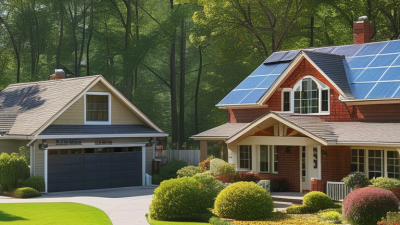
The details matter. A shaded chimney can reduce panel output. A poorly sized battery may empty before sunrise. A ground-mounted array can improve orientation, but it needs usable land and secure installation. Even promising technology may not fit every household.
Readers should treat this overview as a planning tool, not a replacement for a site assessment. Solar performance depends on roof condition, weather, electrical loads, utility rules, and installation quality. The best home solar system is the one that matches those realities.
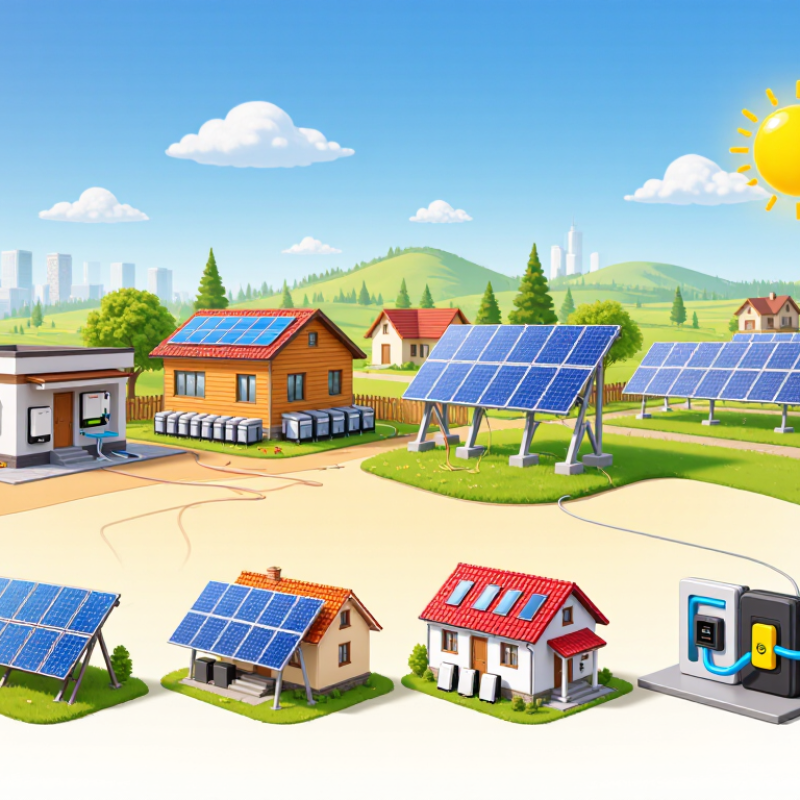
Home solar systems are best classified by how they connect with the electricity grid. The labels are not perfect, but they help homeowners compare practical designs.
Grid-connected systems include standard grid-tied solar, which sends surplus electricity to the utility network. A zero-export system limits that flow when local rules restrict exports. Grid-tied solar with battery storage keeps selected appliances operating during outages, if approved equipment isolates the home safely. AC-coupled storage can be added to an existing solar array. DC-coupled storage shares a direct current pathway, often reducing conversion losses. These five types suit homes with dependable grid service and changing electricity rates.
Off-grid systems operate without a utility connection. A direct-use system powers loads only while sunlight is available. A battery-based off-grid system stores daytime energy for evening use. A generator-assisted off-grid system adds another supply during long cloudy periods. Hybrid systems can connect to the grid, batteries, and backup generation. A backup-priority hybrid system reserves stored power for outages rather than daily savings. That is the tenth type. In practice, a hybrid design may overlap several categories.
A qualified installer should examine roof shading, hourly loads, battery capacity, and local interconnection rules. A two-hour evening load can matter more than a large monthly bill. Real homes rarely follow perfect patterns. One overlooked detail is starting current from pumps or refrigerators. A reliable design documents those loads before equipment is selected.
| No. | System Type | Grid Connection | Typical Energy Architecture | Battery Storage | Grid Export | Power During Grid Outage | Best Fit and Main Consideration |
|---|---|---|---|---|---|---|---|
| 1 | Grid-Tied Solar Without Battery | Permanently connected to the utility grid | Solar panels feed a grid-connected inverter; household loads use solar power first | None | Possible, subject to local interconnection and compensation rules | Usually no; the inverter shuts down for anti-islanding safety | Lowest-cost option for reducing daytime electricity purchases; it does not provide outage protection. |
| 2 | Grid-Tied Net-Metered Solar | Connected to the utility grid through an approved bidirectional meter | Solar generation offsets on-site consumption; surplus electricity flows to the grid | Usually none, but optional | Yes, when permitted by the utility | No, unless a backup inverter and storage system are added | Suitable where exported energy receives a credit; financial results depend on local tariffs and regulations. |
| 3 | Grid-Tied Zero-Export Solar | Connected to the grid but controlled to prevent energy export | A meter or current sensor adjusts inverter output to match on-site demand | Optional | No, under normal operation | Usually no without battery backup equipment | Useful where export is prohibited or poorly compensated; excess solar may be curtailed. |
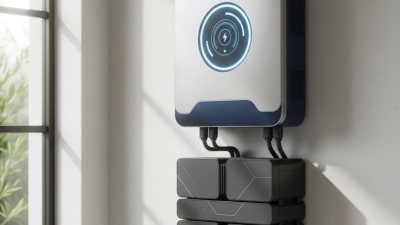
| 4 | Grid-Tied Solar with DC-Coupled Battery Backup | Grid-connected with a backup-capable hybrid inverter | Solar panels and battery share a DC bus before power is converted to household AC | Yes; charged directly from solar and, depending on configuration, from the grid | Possible, depending on inverter settings and utility approval | Yes, for selected or appropriately sized circuits | Efficient for new installations because direct solar-to-battery charging can reduce conversion losses; requires compatible equipment. |
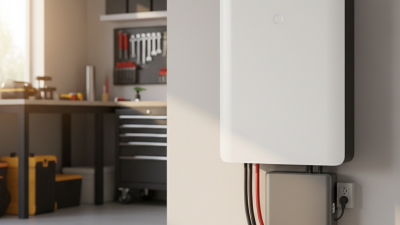
| 5 | Grid-Tied Solar with AC-Coupled Battery Backup | Grid-connected with separate solar and battery inverters | Solar power is converted to AC, while a separate battery inverter manages storage | Yes; charged through an AC connection | Possible, subject to system controls and interconnection rules | Yes, if the battery inverter can form an isolated backup circuit | Often practical for adding storage to an existing solar array; additional conversion stages can reduce efficiency. |
| 6 | Hybrid Grid-Interactive Solar System | Can operate in parallel with the grid and in an isolated backup mode | Solar, battery storage, loads, and the grid are coordinated by an energy-management system | Yes | Configurable: export, self-consumption, or zero-export operation | Yes, when designed with an islanding-capable inverter and transfer controls | A flexible choice for backup, time-of-use optimization, and demand management; controls and installation are more complex. |
| 7 | Off-Grid DC-Coupled Solar System | Not connected to the utility grid | Solar panels charge batteries through a charge controller or hybrid inverter; loads receive regulated AC or DC power | Required for normal operation | Not applicable | Yes, whenever battery reserves and generation are sufficient | Good for remote homes; system sizing must account for seasonal solar conditions, battery autonomy, and critical loads. |
| 8 | Off-Grid AC-Coupled Solar System | Not connected to the utility grid; uses a local microgrid | A battery inverter creates the AC grid, while one or more solar inverters supply AC power to it | Required for stable operation in most designs | Not applicable | Yes, provided stored energy and generation are available | Useful for larger or expandable off-grid systems; requires careful frequency, voltage, and power-flow control. |
| 9 | Off-Grid Solar with Backup Generator | Normally isolated from the utility grid | Solar and batteries supply routine loads; an automatic or manual generator supports low-solar periods | Yes | Not applicable | Yes, using solar, batteries, and generator support | Improves reliability in cloudy seasons or for high loads; requires fuel, maintenance, ventilation, and noise management. |
| 10 | Grid-Interactive Solar with Generator or Microgrid Support | Normally grid-connected, with the ability to operate as an isolated local microgrid | Solar, batteries, controllable loads, and an optional generator coordinate through a microgrid controller | Yes | Configurable according to utility requirements and operating strategy | Yes, with approved isolation equipment and sufficient generation or stored energy | Designed for large homes or critical loads needing extended resilience; it has the highest equipment and control complexity. |