Home Backup Power Solutions What You Need to Know?
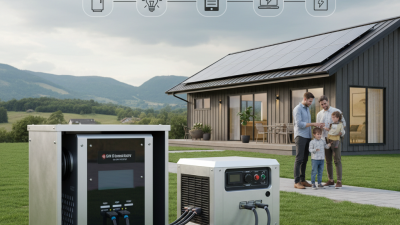
Reliable home backup power solutions are becoming essential for homeowners. Recent studies suggest that over 40% of households experience power outages yearly. This statistic highlights an urgent need for effective home backup power options. In many areas, utility companies struggle to maintain service stability during extreme weather conditions.
Battery systems and generators are popular choices for providing backup power. According to the Department of Energy, the adoption of home backup power systems has increased by 26% since 2020. While these systems offer peace of mind, they also come with challenges. Maintenance and installation costs can be significant, often deterring homeowners from investing.
Many individuals may overlook critical factors when choosing systems. Understanding power needs and potential inefficiencies is crucial. The importance of home backup power extends beyond convenience; it can be a matter of safety and comfort during unpredictable events. Being prepared involves ongoing evaluation and reflection on one’s own energy requirements.
Home Backup Power Solutions: Understanding Different Types of Systems
Home backup power solutions are becoming essential as more homeowners face power outages. It's crucial to comprehend the different types of systems available. Many systems fall into three main categories: generators, battery systems, and hybrid solutions. According to the U.S. Department of Energy, nearly 60 million Americans experienced outages in the last year alone. This reality makes reliable backup power increasingly important.
Generators are a common choice. They can provide significant power to entire homes. However, they often require fuel to operate. In contrast, battery systems are quieter and more efficient. They store energy from the grid or solar panels. The ease of use is appealing, but batteries may come with a higher upfront cost. Reports suggest that battery storage capacity is increasing rapidly, projected to grow by 20% annually. Hybrid solutions combine the strengths of both generators and batteries, offering versatility but sometimes complicating installation.
While each solution has its benefits, challenges exist. Installation can be complex and may require professional help. Ongoing maintenance is necessary, which can be overlooked by homeowners. Additionally, understanding local regulations can be a hurdle. As demand for backup power rises, research indicates that the market for home power systems will exceed $9 billion by 2025. Homeowners should invest time in evaluating options to ensure they meet their needs effectively.
Home Backup Power Solutions: Understanding Different Types of Systems
| System Type |
Power Output (kW) |
Fuel Source |
Run Time (hours) |
Installation Cost ($) |
Maintenance Frequency |
| Portable Generator |
2-7 |
Gasoline |
6-12 |
500-2,500 |
Annually |
| Standby Generator |
7-20 |
Natural Gas or Propane |
Unlimited (with fuel supply) |
2,000-20,000 |
Semi-Annual |
| Solar Battery Backup |
3-10 |
Solar Power |
4-8 (depends on battery capacity) |
5,000-15,000 |
Annual |
| Uninterruptible Power Supply (UPS) |
0.5-5 |
Electricity |
0.5-2 |
200-1,500 |
Quarterly |
Key Factors to Consider When Choosing Backup Power for Your Home
Choosing the right backup power for your home isn't a simple task. You must consider several key factors to make the best decision. First, determine your power needs. Think about essential appliances like refrigerators and medical equipment. Calculate the wattage they require. This will help you decide the capacity of the backup system.
Next, evaluate the types of backup power solutions available. Options include generators, battery banks, and solar systems. Each has its pros and cons. Generators can supply high power but may use fossil fuels. Solar systems are eco-friendly but often require upfront investment. Battery systems are quieter and cleaner but might have limited capacity.
Consider your location too. If you live in an area prone to blackouts, a robust solution is needed. Unexpected outages can disrupt daily life. Assess your budget, as costs can vary significantly. Investing in an effective backup system can feel daunting, but it's essential for peace of mind during storms or other emergencies. Reflect on your long-term needs as technology is rapidly changing, making future upgrades necessary.
Current Market Trends: Growth of the Home Backup Power Industry
The home backup power industry is experiencing significant growth. Market data indicates a projected compound annual growth rate (CAGR) of 8.5% from 2023 to 2031. This growth stems from increasing energy demands and climate-related events. As extreme weather becomes more common, homeowners are seeking reliable backup options.
The rise in solar energy usage also drives this trend. According to a recent survey, 36% of homeowners are considering solar panel installation. Paired with battery storage systems, solar solutions can provide sustainable power during outages. Yet, the upfront costs remain a concern. Many homeowners find it challenging to assess their needs and budget accordingly.
Moreover, challenges in technology integration and efficiency persist. Not all systems perform evenly during power interruptions. Reports show some homeowners experience delayed power restoration. This adds to the frustration during outages. Therefore, careful research and planning are crucial for those entering the market.
Evaluating Costs: Installation and Maintenance of Backup Power Systems
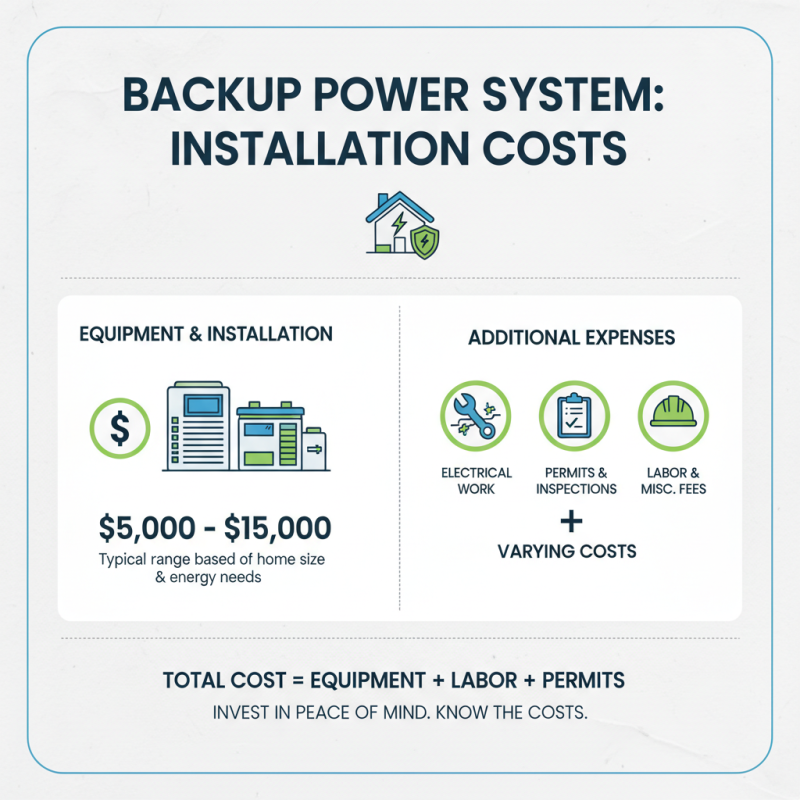
When considering backup power systems, understanding costs is crucial. Installation of these systems can range widely. A typical setup may cost between $5,000 and $15,000, depending on home size and energy needs. In addition, the installation process often involves electrical work, permits, and inspections, which can add to expenses.
Maintenance is another cost to consider. Routine checks and maintenance can cost around $200 to $500 annually. This ensures your system runs efficiently and is ready when needed. A failure to maintain it can lead to malfunctions during outages. It's concerning that many homeowners overlook this routine service.
Evaluating the long-term expense of these systems is vital. Research indicates that homeowners can save up to 50% on energy costs with efficient systems. However, the initial investment can be daunting. Some might question whether the benefits justify the costs. Balancing the equation of safety, convenience, and expense requires serious reflection.
Safety Standards and Regulations for Home Backup Power Solutions
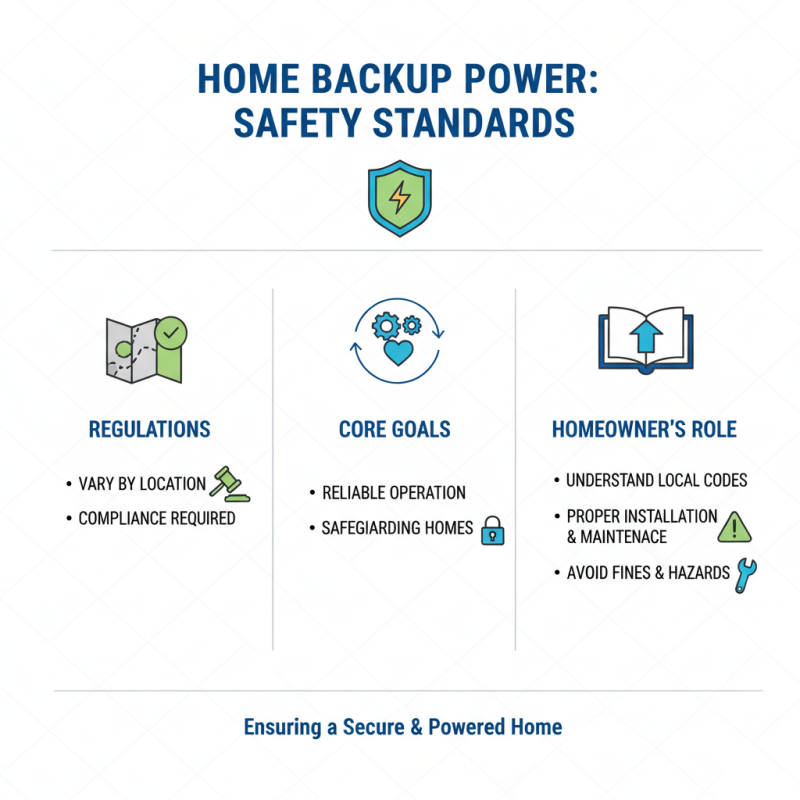
When considering home backup power solutions, safety standards play a critical role. Regulations vary by location, but the core goal is the same: ensuring reliable and safe operation. Many jurisdictions require that backup systems comply with local codes. This might include guidelines on installation, maintenance, and capacity. Homeowners should understand these regulations to avoid potential fines or safety hazards.
Installation is not as straightforward as it seems. Improper setup can lead to dangerous situations, like carbon monoxide poisoning from generators. This is why hiring certified professionals is often recommended. Overlooking details can result in malfunctions. Furthermore, homeowners must regularly inspect their systems. Ignoring routine checks can jeopardize safety during an outage.
Educating oneself about these safety standards is essential. Many resources are available to help navigate local regulations. Familiarizing yourself with the specifics will ensure you are well-prepared. Yet, it's easy to feel overwhelmed. The technical jargon can be confusing, and the stakes are high. Balancing safety, affordability, and reliability is often challenging. A thoughtful approach to home backup power can ultimately enhance safety and peace of mind.