What is a Home Back Up Battery and How Does It Work?
In recent years, the home back up battery industry has seen significant growth. According to a report by Research and Markets, the market is expected to reach $18 billion by 2025. This reflects a growing concern among homeowners about energy reliability. As climate change and extreme weather events become more frequent, more people are investing in home back up batteries.
John Smith, an expert in renewable energy solutions, states, "Home back up batteries are not just a luxury; they are becoming necessary." This highlights a shift in consumer mindset. Instead of viewing battery systems as optional, they are viewed as essential. Many homeowners now understand that these systems provide a safeguard against outages and rising utility costs.
Despite the advantages, many still hesitate to invest. There are concerns about installation costs and battery lifespan. Some battery technologies can be confusing. As the industry evolves, understanding these systems will be crucial. For many, a home back up battery could be the key to energy independence and security.
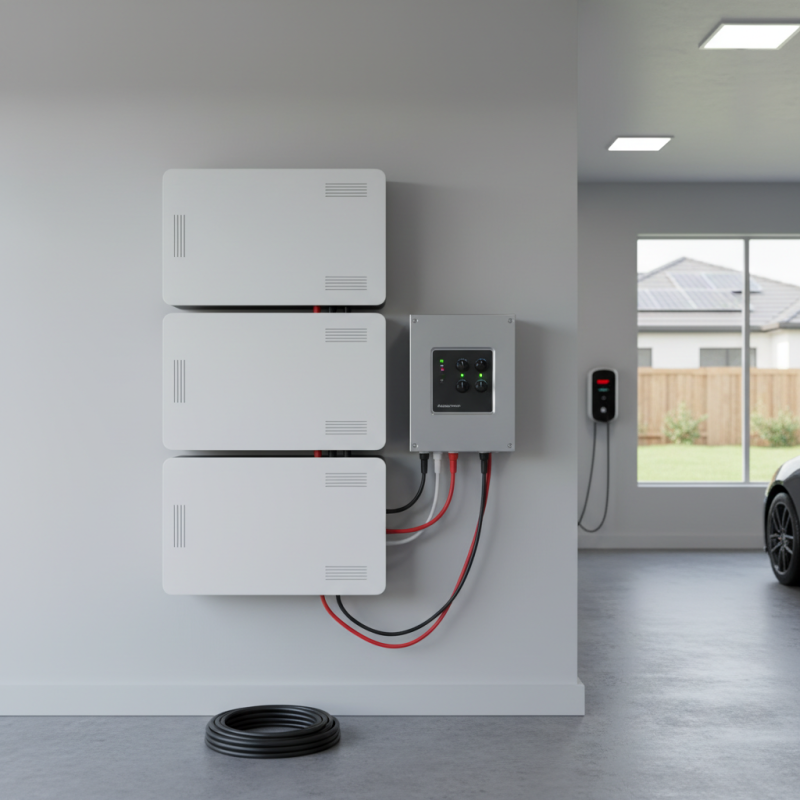
What is a Home Back Up Battery?
A home backup battery is a device designed to provide power when the primary electrical source fails. It stores energy for later use, ensuring that essential appliances and systems continue to operate. The growing demand for energy independence has led to increased interest in these systems. According to the U.S. Energy Information Administration, nearly 90% of American households experience power outages at least once a year. This highlights why backup batteries can be a necessary investment.
Home backup batteries typically use lithium-ion technology. This allows them to charge quickly and discharge energy efficiently. When a power outage occurs, they automatically kick in. This transition is often seamless. Research from the National Renewable Energy Laboratory suggests that effective home battery systems can save homeowners up to 30% on energy costs. However, the initial investment can be substantial and might not fit every budget. Some homeowners have reported issues with installation complexity, which can lead to frustrating experiences.
Moreover, not all backup systems are created equal. Some may not provide enough power for all household needs, which requires careful assessment before purchase. Sometimes, underestimating energy needs can result in disappointment when outages happen. Homeowners must think critically about their specific requirements. It’s essential to weigh the upfront costs against potential long-term savings. The quest for reliable energy sources opens a Pandora's box of considerations for many households today.
Key Components of Home Back Up Batteries
When considering home backup batteries, understanding their key components is essential. The primary component is the battery itself, typically lithium-ion or lead-acid. Lithium-ion batteries are lighter and more efficient but have a higher cost. According to industry reports, lithium-ion batteries can last up to 15 years with proper maintenance. Lead-acid batteries are cheaper but have a shorter lifespan of around three to five years.
Another vital element is the inverter. It converts the stored DC power into AC power for home use. Many homeowners underestimate the importance of a quality inverter. A poor inverter can reduce efficiency by up to 30%. Also, the battery management system (BMS) plays a crucial role. It protects the battery from overcharging and excessive discharging. A reliable BMS can enhance battery life significantly.
Lastly, the installation setup matters. Proper placement and connection can influence performance. Misplaced batteries might lead to inefficient energy flow. Research shows that improperly installed systems can waste up to 20% of stored energy. These considerations highlight the complexity involved in choosing and maintaining backup battery systems.
How Home Back Up Batteries Work
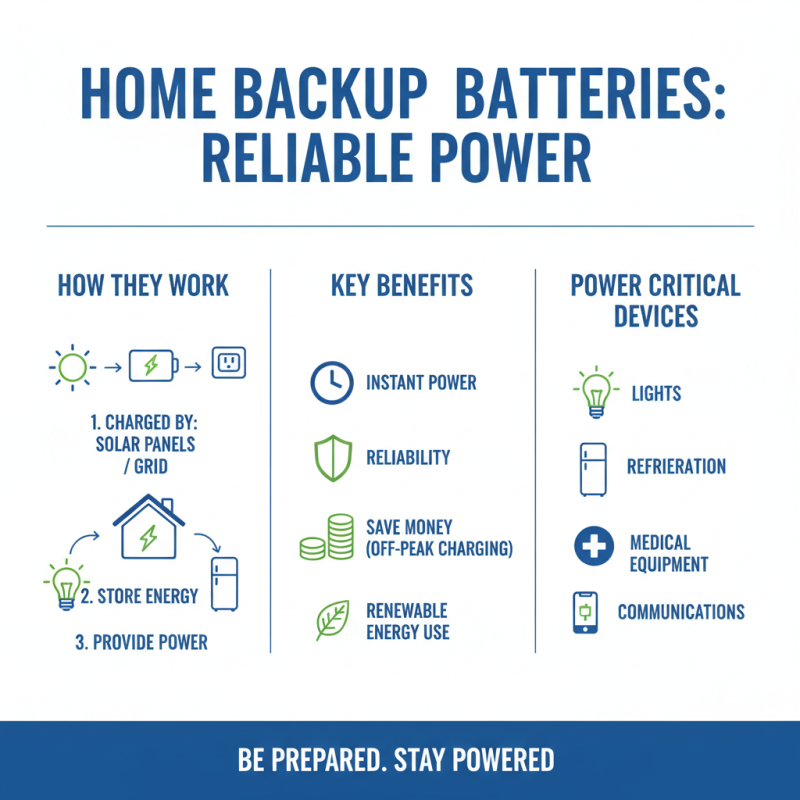
Home backup batteries offer a reliable solution during power outages. These systems store energy for use when the main power supply fails. They are often charged by solar panels or the electrical grid. Many homeowners appreciate having instant power for critical devices. This can include lights, refrigerators, and medical equipment.
How do these batteries work? They use advanced technology to store and release energy when needed. When the grid is operational, the battery charges. If a blackout occurs, the system switches to battery power automatically. This seamless transition ensures that daily activities are minimally affected. Most systems can run small appliances and lights for several hours to days, depending on the battery capacity.
Even with these benefits, there are limitations. Batteries need maintenance and have a finite lifespan. Some homeowners might not fully understand their storage capacity. This can lead to unexpected outages if not planned correctly. Users should also consider the initial setup cost. It's crucial to balance immediate benefits and long-term investment.
Benefits of Using a Home Back Up Battery
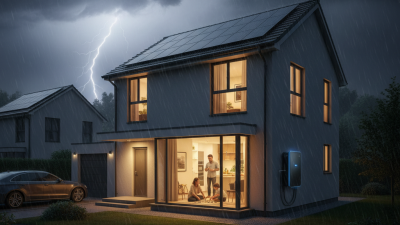
A home back up battery is essential for anyone wanting uninterrupted power. It provides energy during outages, ensuring that lights and important appliances work. The reliability of these batteries can be a game changer when storms hit or issues arise with the main power source.
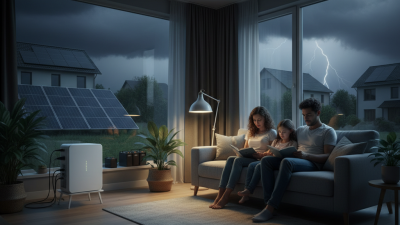
One significant benefit is peace of mind. Knowing that your essential devices stay functional alleviates stress. Children may not understand power outages. With a backup battery, you can keep them calm and comfortable. It allows for reading, entertainment, and maintaining daily routines.
Tips for choosing a home back up battery: consider your energy needs first. What devices do you rely on most? Not all batteries are created equal. Look for capacity ratings that match your requirements. Also, consider the battery's recharge time. Some may take longer than others.
Lastly, installation can be tricky. Make sure to follow the instructions carefully. Poor installation may lead to inefficiencies. Testing the system regularly is important. Outages can happen unexpectedly. Be prepared.
Common Applications and Considerations for Home Back Up Batteries
Home backup batteries serve as essential power sources during outages. They store energy for later use, ensuring that homes remain powered. Many people utilize these batteries for critical devices like refrigerators and medical equipment. The convenience they offer can be life-enhancing during a blackout.
However, there are some considerations to keep in mind. Not all backup batteries are created equal. Their capacity varies significantly. Selecting the right size depends on your specific needs. Smaller homes might require less power, whereas larger residences have higher demands. Furthermore, installation can be complex. It often necessitates professional help, which adds to the overall cost.
In addition, maintenance is crucial for optimal performance. Many users overlook the importance of regular checks. Batteries have a limited lifespan and should be properly maintained. Failing to do so can lead to inefficiency during a power failure. These factors should encourage thoughtful planning. Backup systems need serious attention. The peace of mind they offer is invaluable, but they demand responsibility.