10 Essential Tips for Choosing a Home Energy Storage Battery?
Choosing the right home energy storage battery can be a daunting task. With many options available, finding the perfect fit for your needs requires careful consideration. A home energy storage battery can significantly impact your energy efficiency and cost savings.
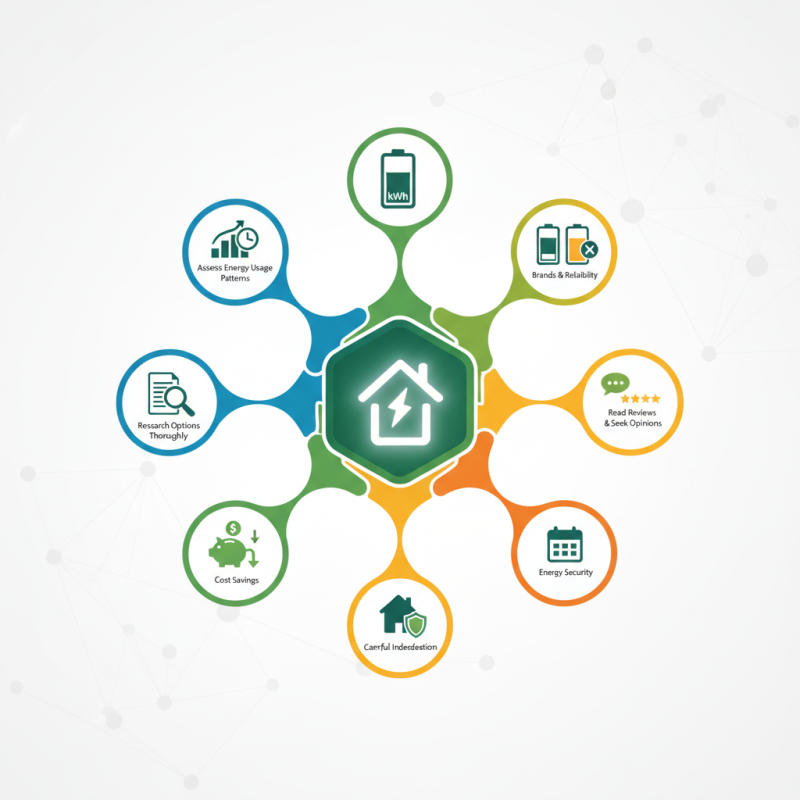
When selecting a battery, assess your energy usage patterns. Consider how much energy you consume daily and during peak times. Look at storage capacity, which affects how much power you can store. Remember, not all batteries are created equal. Brands vary widely in reliability and performance.
You may feel overwhelmed by the choices, and that's normal. Take your time to research each option thoroughly. Read reviews and seek opinions from current users. A good decision now will pay off in the long run, providing energy security for your home. Your energy independence is at stake, so invest wisely.
Factors to Consider When Choosing Home Energy Storage Batteries
Choosing the right home energy storage battery involves evaluating several important factors.
Capacity is one of the most critical aspects. A battery's capacity determines how much energy it can store.
If your power needs are high, opt for a battery with a larger capacity. Additionally, consider the depth of discharge.
This indicates how much of the battery's energy can be used without significantly shortening its lifespan.
Efficiency is another factor to keep in mind. A more efficient battery ensures less energy loss.
Effective systems convert stored energy for everyday use better. Pay attention to the charge and discharge cycles as well.
These cycles indicate how many times you can use the battery before performance declines.
Finally, think about the battery's lifespan. Most batteries degrade over time, which affects performance.
Some batteries have a longer warranty, suggesting better reliability. Be prepared for potential maintenance.
Regular checks can help ensure optimal performance. The right battery requires thoughtful consideration and research.
Understanding Different Types of Home Energy Storage Technologies
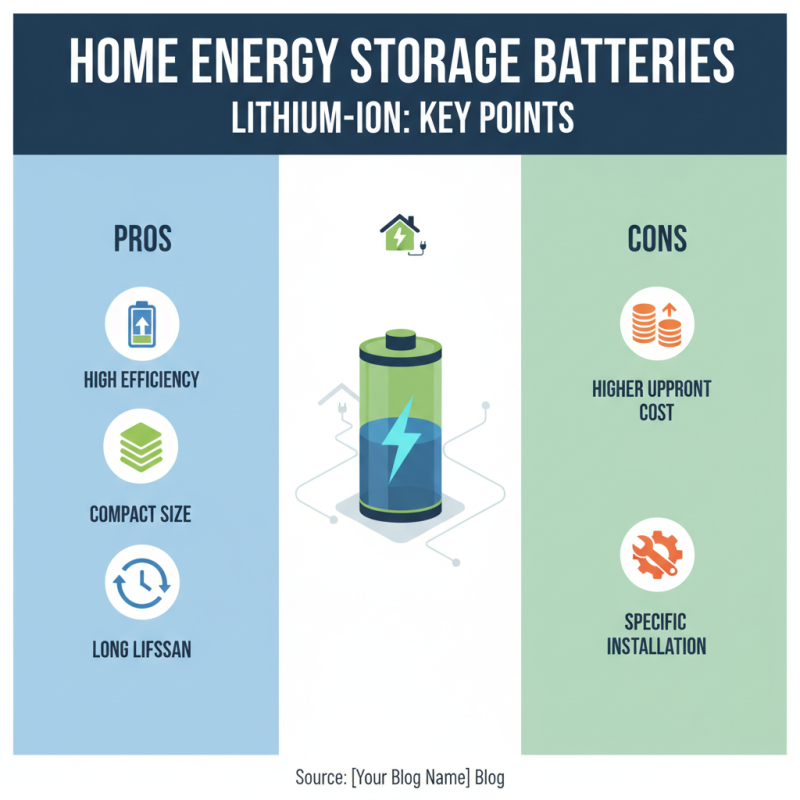
When choosing a home energy storage battery, it’s vital to understand different technologies available. Lithium-ion batteries are popular due to their efficiency. They store energy compactly, making them ideal for limited space. They also have a long cycle life, which means they last longer than others. However, they can be more expensive upfront and require specific installation conditions.
Lead-acid batteries, another option, are cheaper but less efficient. They are larger and heavier, which can be a challenge for installations. These batteries have a shorter lifespan and may need replacement sooner. Each type presents its own advantages and downsides. Reflecting on energy needs is crucial in this process. It’s essential to evaluate how much energy you use daily. Battery size and capacity must align with consumption patterns.
Consider the environmental impact too. Recycling options for different battery types vary significantly. Some systems may not be eco-friendly at the end of their life. Weigh the short-term costs against long-term benefits and sustainability. Making an informed choice requires time and research. Don't rush the decision, as the right battery can enhance energy efficiency in your home.
Evaluating Battery Capacity and Power Output Requirements for Your Home
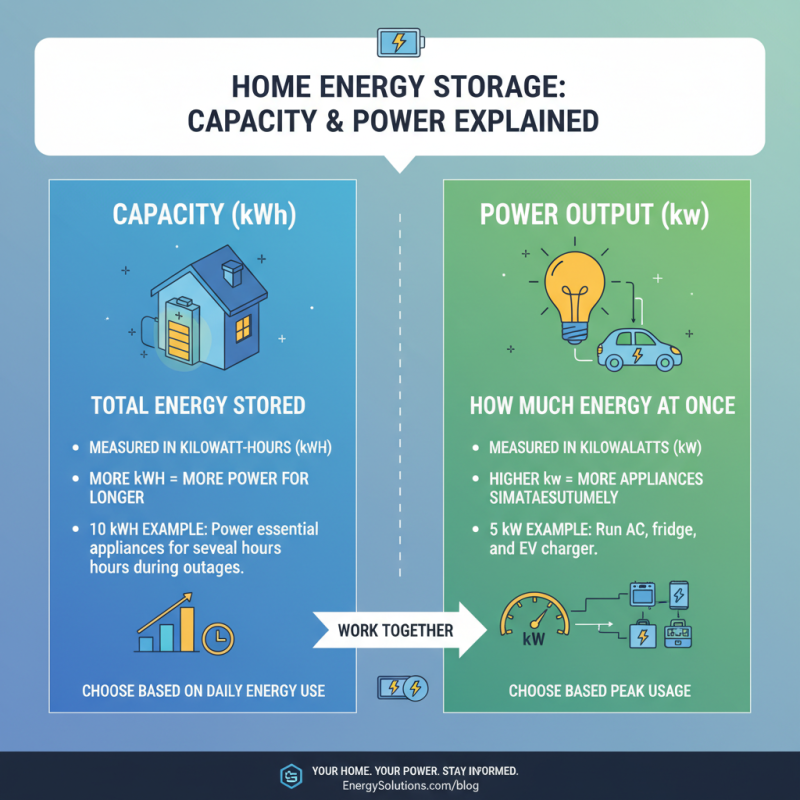
When selecting a home energy storage battery, understanding capacity and power output is crucial. Battery capacity refers to how much energy a battery can store, measured in kilowatt-hours (kWh). A larger capacity means more energy for your household needs. For instance, a battery with a capacity of 10 kWh can power essential appliances for several hours during an outage. You should evaluate your daily energy consumption to determine the right capacity.
Power output is another key factor. It indicates how much energy a battery can deliver at any moment, measured in kilowatts (kW). If you have high-demand appliances like air conditioners or electric heaters, you’ll need a battery that can handle that load. For instance, if a device draws 5 kW, your battery should have a power output to match. Balancing these two factors might be frustrating. Many find their first choice doesn’t meet their demands fully. Consider your lifestyle needs. Make sure you have room for adjustments in your energy plans. Picking the right battery could be a mix of trial and error.
The Importance of Battery Lifespan and Efficient Cycle Durability
When selecting a home energy storage battery, lifespan and cycle durability are critical factors. A battery’s lifespan is typically measured in charge cycles. Most lithium-ion batteries can endure about 2,000 to 5,000 cycles. This means they will last anywhere from five to fifteen years, depending on usage. A report from the International Renewable Energy Agency states that batteries with longer cycle durability often come with higher upfront costs but provide better long-term savings.
Efficient cycle durability directly influences how often a battery can be charged and discharged. If a battery only supports a limited number of cycles, users might find themselves replacing it sooner than expected. For instance, a battery that loses 20% of its capacity after 1,500 cycles may not meet the needs of a growing household. In contrast, some batteries maintain over 80% capacity even after 3,000 cycles, offering superior longevity. You may face trade-offs between initial investment and longer-term performance. Often, consumers overlook these critical metrics, leading to premature replacements and unexpected costs.
Analyzing Cost-Effectiveness: Initial Investment vs. Long-Term Savings
When considering a home energy storage battery, cost-effectiveness is crucial. The initial investment can be substantial. Homeowners need to assess their budgets realistically. Not all batteries offer the same benefits. Some may appear cheaper at first, but hidden costs can arise. Installation fees, maintenance, and potential upgrades must be factored in. Over time, how much can these systems save?
Long-term savings should be weighed against that initial outlay. A battery that costs more upfront may save you money over the years. Consider factors like energy prices and local incentives. A smart choice today can translate into reduced energy bills later. However, estimating future savings can be tricky. Energy prices fluctuate and incentives change. It's vital to keep track of these variables.
Additionally, some systems may offer limited warranties. A good warranty can save on future repairs. Yet, short warranties might indicate potential issues. Reflect on the longevity of the battery. How often will replacement be necessary? Does your energy consumption pattern support such an investment? These considerations can significantly impact decision-making.