How to Choose Off Grid Power Solutions for Your Sustainable Lifestyle?
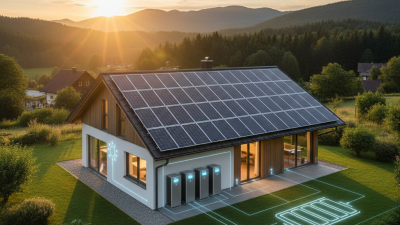
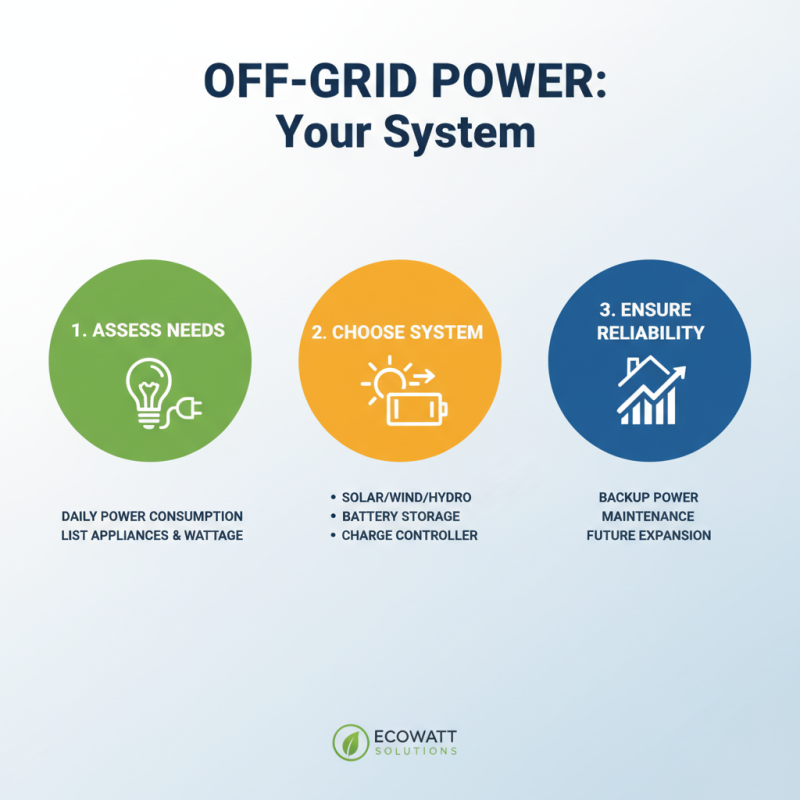
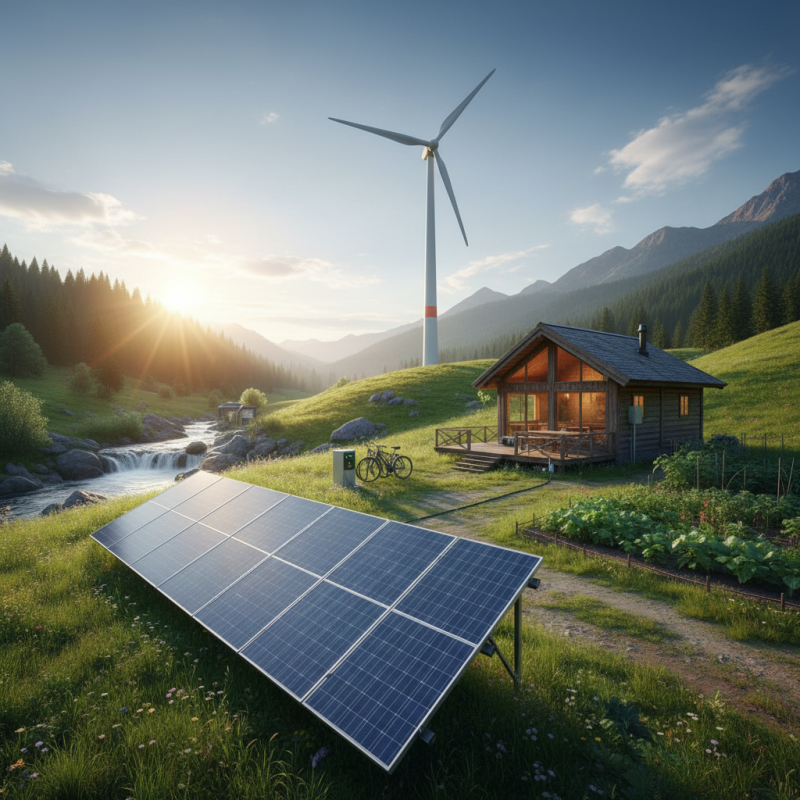
Choosing off grid power solutions is crucial for a sustainable lifestyle. According to a report by the International Energy Agency, nearly 1 billion people lack access to electricity. This highlights the need for alternative energy sources. Off grid power solutions can empower individuals to generate their own energy. Solar panels, wind turbines, and micro-hydropower systems are popular choices. Each solution comes with its own set of benefits and challenges.
Understanding energy needs is essential. For instance, a solar system may require significant upfront investment. Yet, it offers long-term savings. In contrast, wind turbines may not be viable in all areas. It is vital to analyze specific locations and resources. Many people overlook these critical details, leading to incorrect choices.
Moreover, ongoing maintenance of off grid power solutions is often underestimated. Regular checks and replacements are essential for efficiency. Neglecting maintenance can result in diminished performance over time. Such reflections can help potential users make informed decisions. By weighing options carefully, you can achieve a truly sustainable lifestyle.
Understanding Off Grid Power and Its Benefits for Sustainability
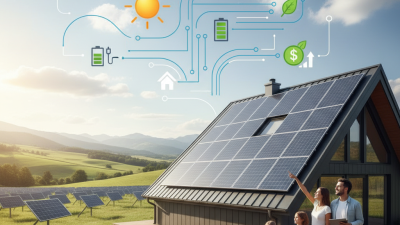
Off-grid power solutions are becoming increasingly important for sustainable living. By harnessing renewable energy sources such as solar, wind, and hydro, individuals can significantly reduce their carbon footprint. According to the International Renewable Energy Agency (IRENA), almost 1.2 billion people globally lack electricity. This highlights the need for sustainable alternatives that promote both environmental and social equity.
The benefits of off-grid power extend beyond personal convenience. Reports indicate that using solar energy can reduce electricity costs by up to 75%. Additionally, off-grid systems often lead to energy independence. However, challenges remain; initial costs can be high, and technological literacy is required for effective implementation. Many users find maintenance daunting, especially in remote areas.
Furthermore, the transition to off-grid living encourages a more mindful consumption of resources. It prompts users to reflect on their energy use and environmental impact. Renewable energy systems often depend on local conditions, requiring tailored solutions for each location. Adapting to these systems can be a learning curve, necessitating community support and collaboration for optimal results.
Types of Off Grid Power Solutions: Solar, Wind, and More
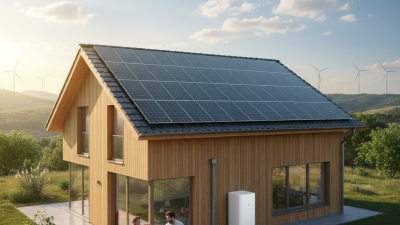
When considering off-grid power solutions, it's essential to explore various types. Solar power is one of the most popular options. According to a report by the International Renewable Energy Agency, solar energy costs have dropped by about 90% since 2010. This makes it a cost-effective solution for many households. Solar panels can be installed on rooftops or in open spaces, providing flexibility in setup. They are efficient in sunny areas but require backup solutions in regions with less sunlight.
Wind energy is another viable option. Small wind turbines can generate significant power, especially in windy locations. The U.S. Department of Energy states that wind power capacity has grown over 20% annually in recent years. However, wind can be unpredictable. It's essential to assess your location's wind patterns before investing in turbines.
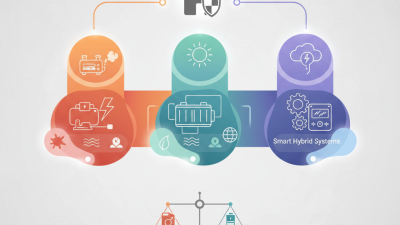
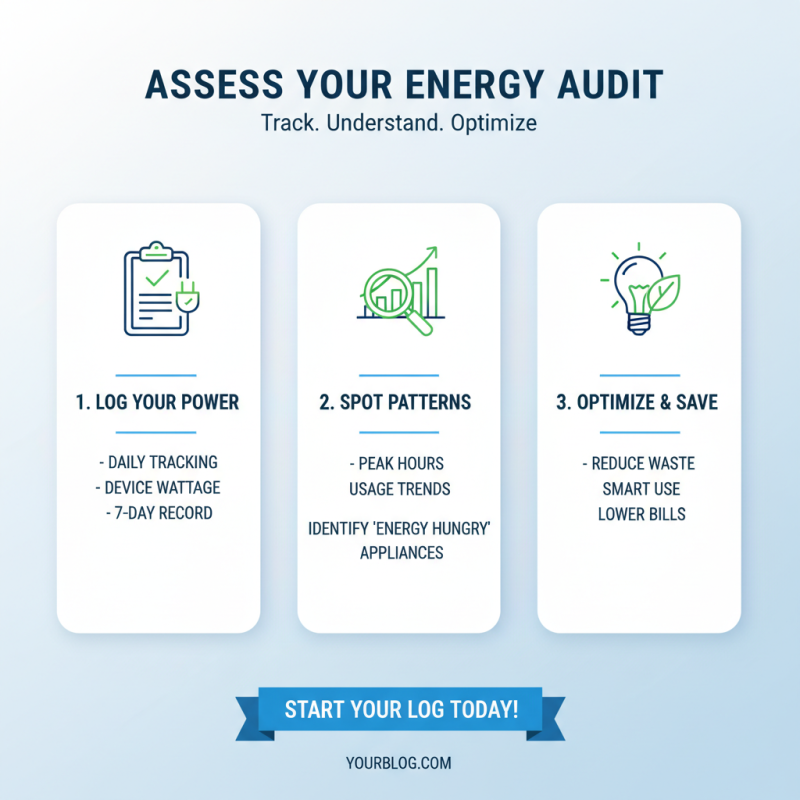
Tips: Assess energy needs thoroughly. Calculate how much energy your home consumes daily. Consider hybrid systems. Combining solar and wind can ensure a more reliable energy source. Always research local regulations on installation. Off-grid living does not come without challenges. It requires careful planning and commitment to a sustainable lifestyle. Consider starting small with one energy source before expanding to others.
Off Grid Power Solutions Comparison
Maintenance and Longevity: Ensuring Your Off Grid System's Efficiency
Maintaining an off-grid power system is crucial for its longevity and efficiency. Regular inspections can help detect issues early. For instance, a study shows that solar panel efficiency can drop by 10% over ten years without maintenance. Cleaning panels regularly ensures optimal performance. Dust and debris can block sunlight, significantly reducing energy output.
Battery lifespan is another critical aspect. Batteries can degrade if left unmonitored. The best practice is to check their charge levels weekly. A report indicates that proper maintenance can extend battery life by up to 30%. This proactive approach protects your investment. Extreme weather conditions can also impact your system, so consider reinforcing components to withstand wind and storms.
Understanding these costs is vital. Maintenance fees can add up but are essential. Statistics reveal that an overlooked system may incur up to 50% more repair costs over time. Many owners underestimate this. Regular maintenance not only boosts efficiency but also enhances safety, lowering fire risks associated with faulty systems. The goal is not just survival but thriving in your sustainable lifestyle.